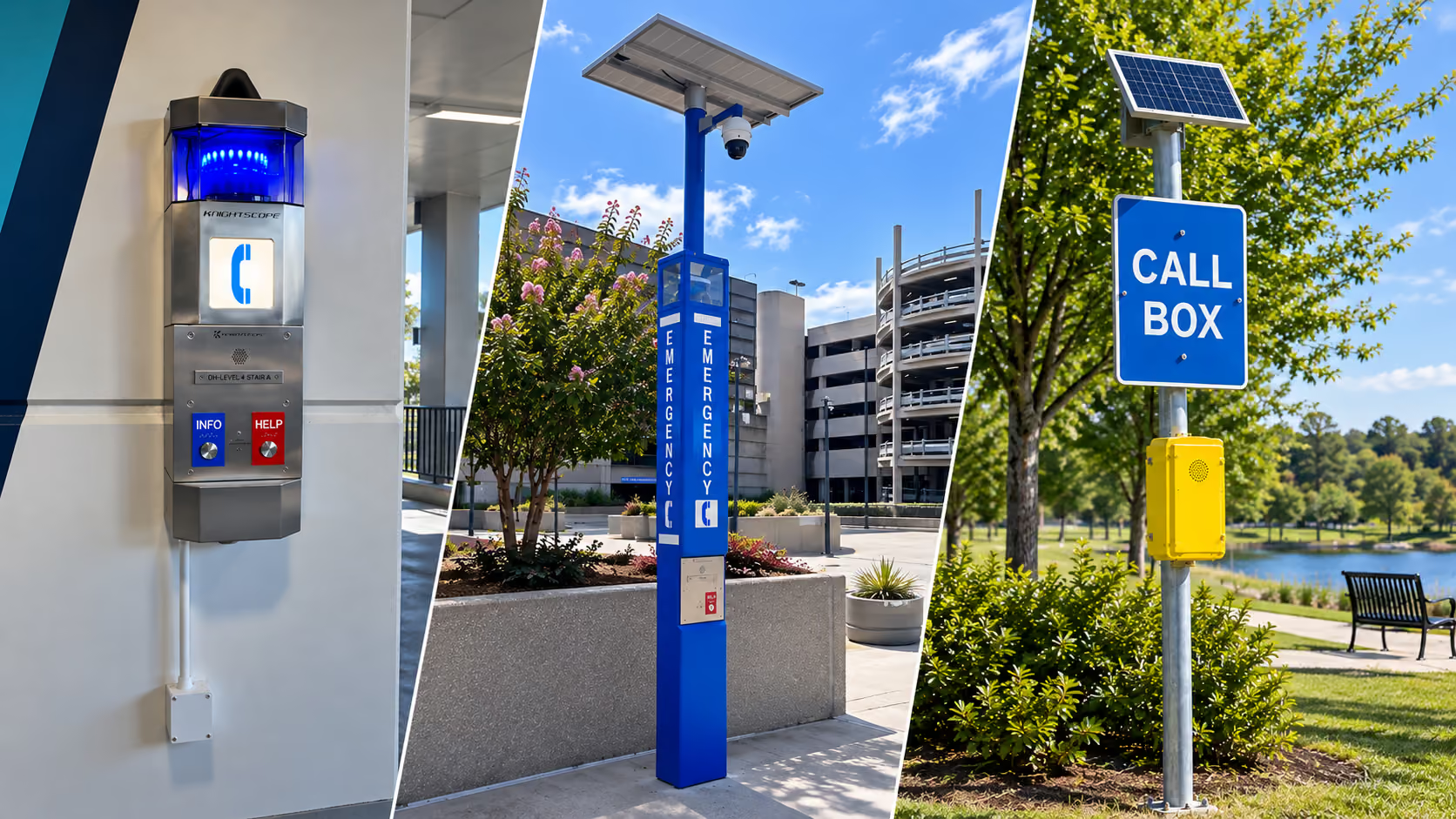
Blue Light Tower vs. Call Box vs. E-Phone: How to Choose the Right Emergency Communication System
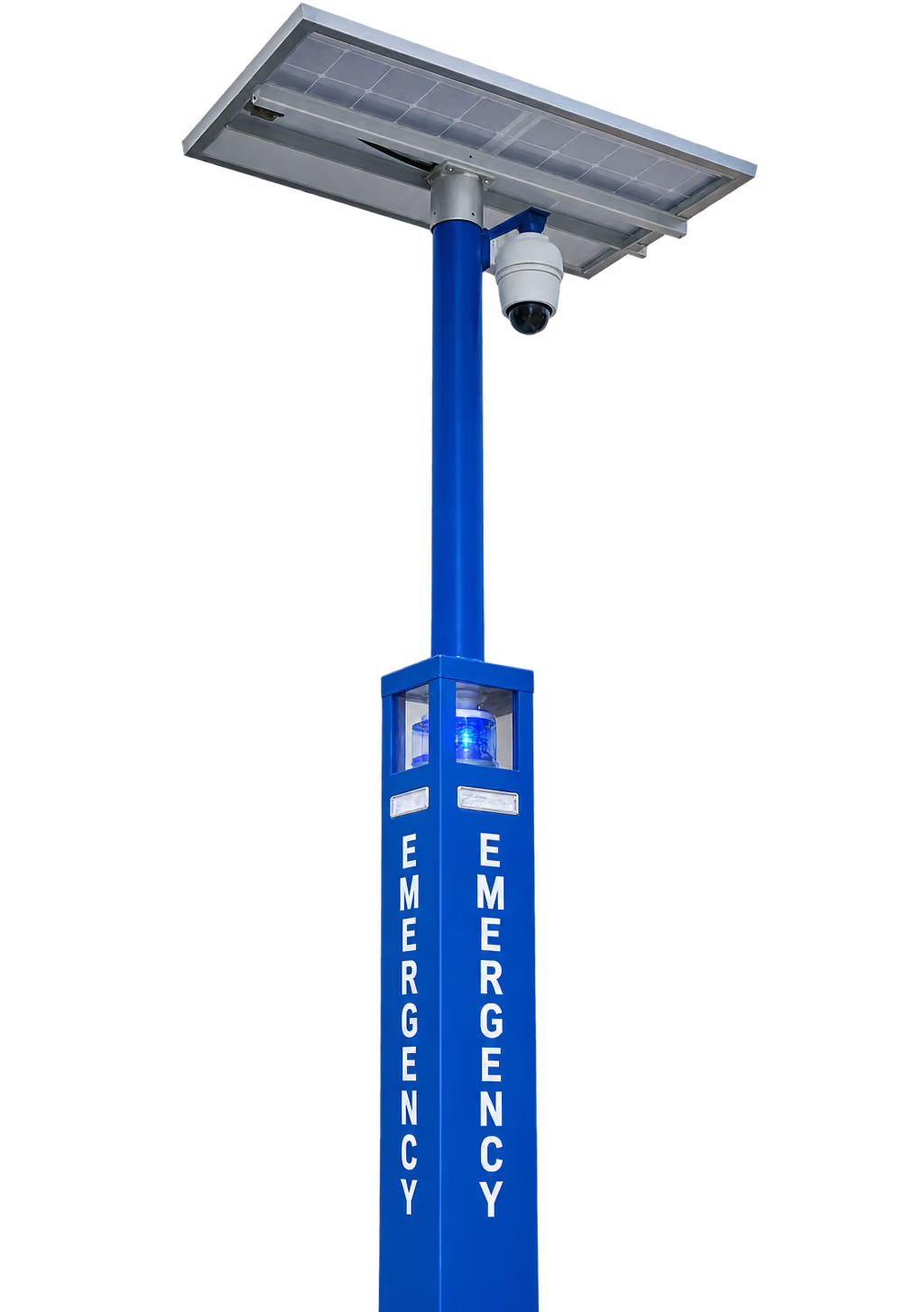
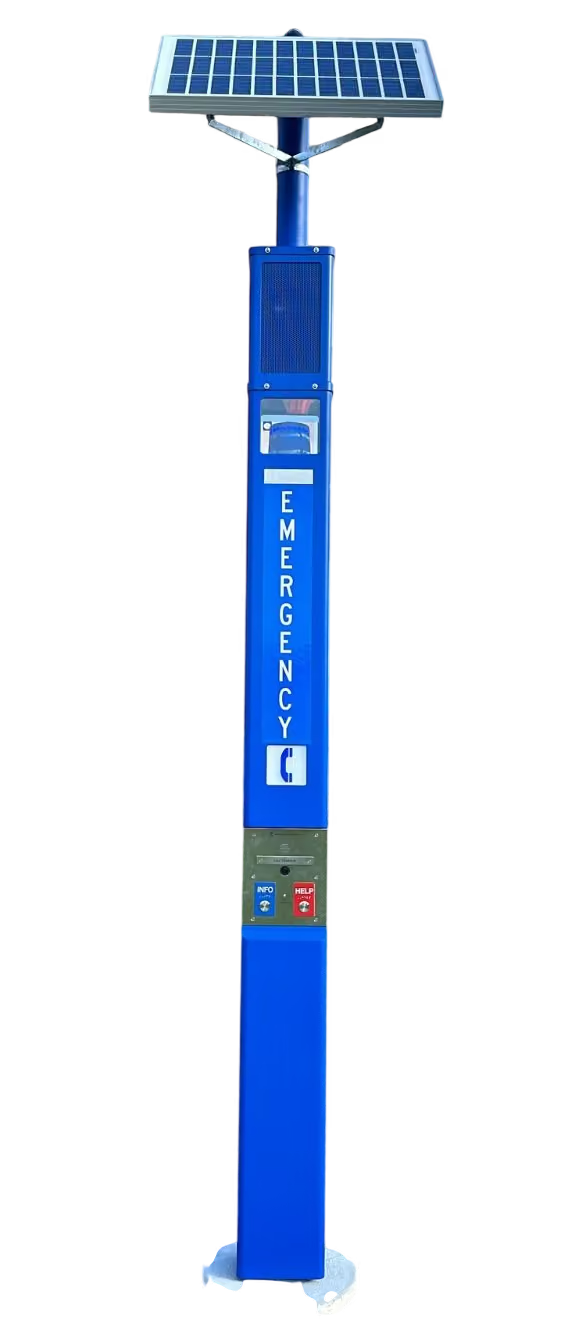
Choosing the right emergency communication system requires matching equipment to your specific environment: blue light towers secure open outdoor campus spaces, roadside call boxes provide off-grid motorist protection, and compact indoor e-phones cover stairwells and parking structures to satisfy building codes and close critical facility gaps.
Read More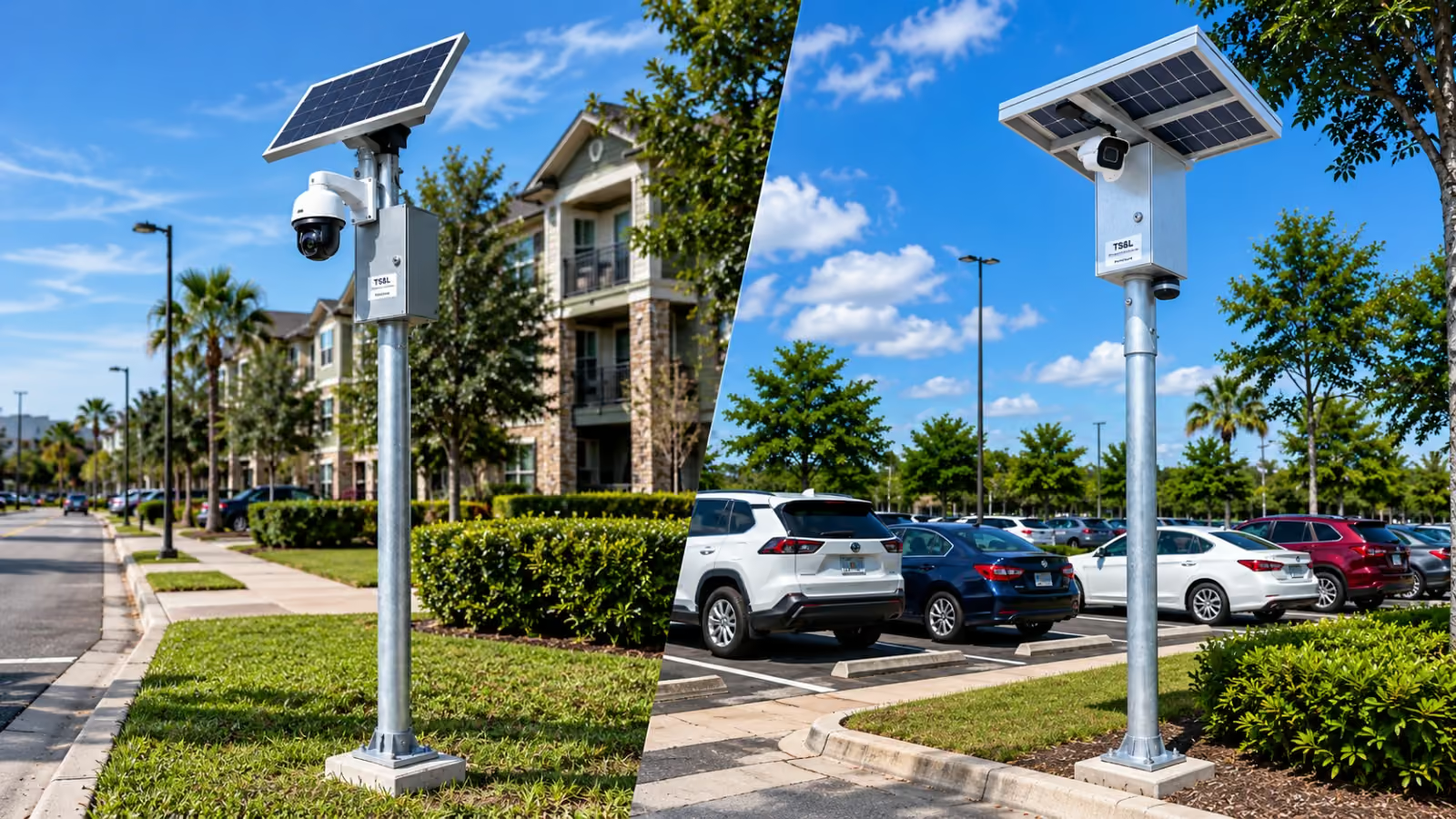
OWL vs HAWK: Choosing the Right Solar Security Camera for Your Site
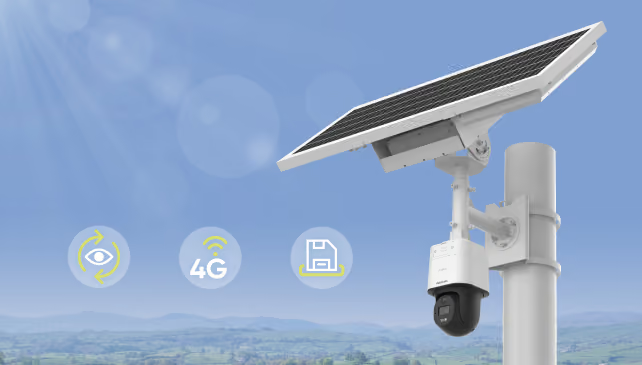
Choosing between OWL and HAWK solar security cameras depends on your site's activity, recording needs, and security requirements. Discover which system is best suited for construction sites, parking lots, remote properties, and critical infrastructure.
Read More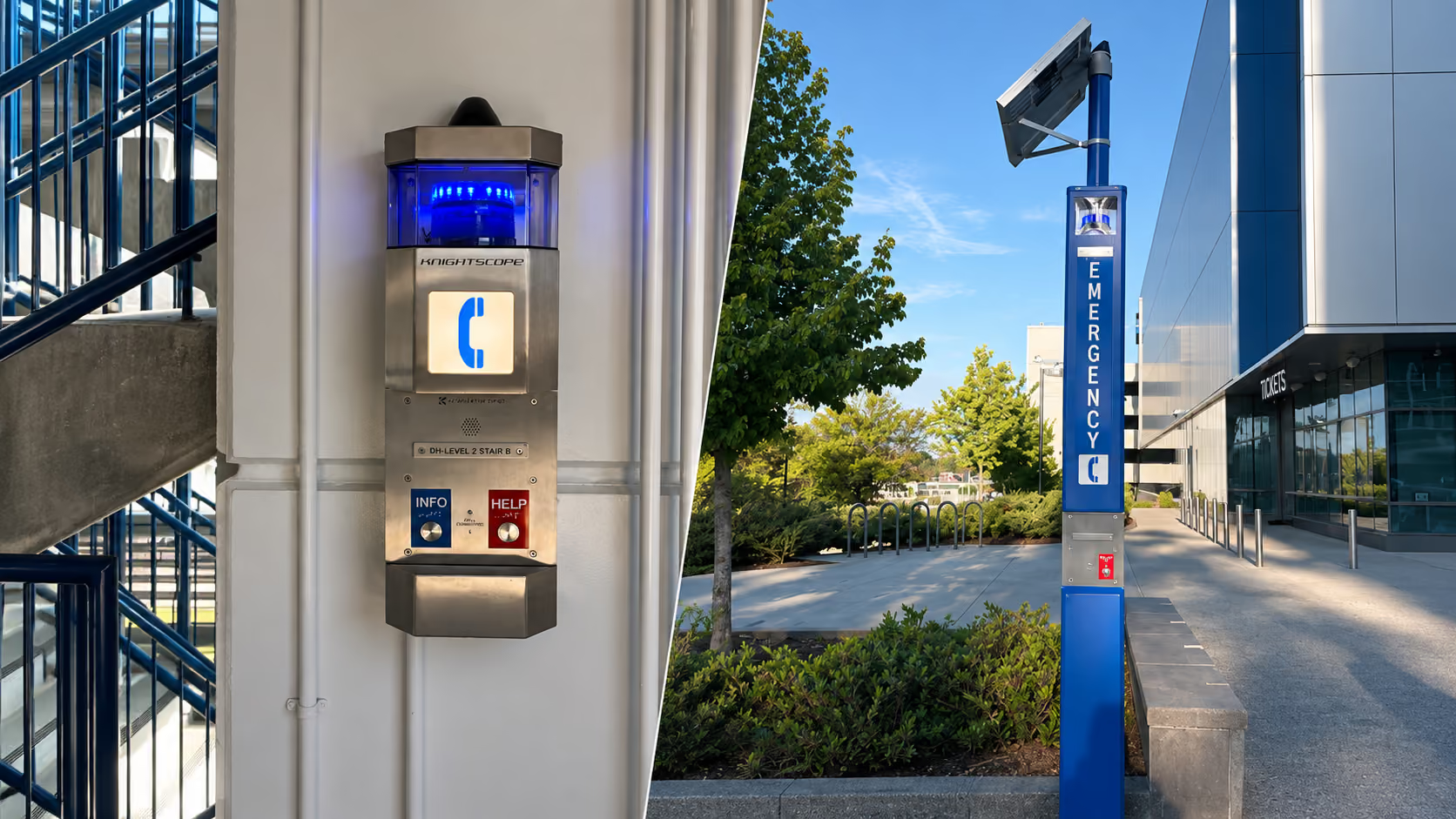
Indoor Emergency Phones: When a Compact E-Phone Beats a Full Blue Light Tower
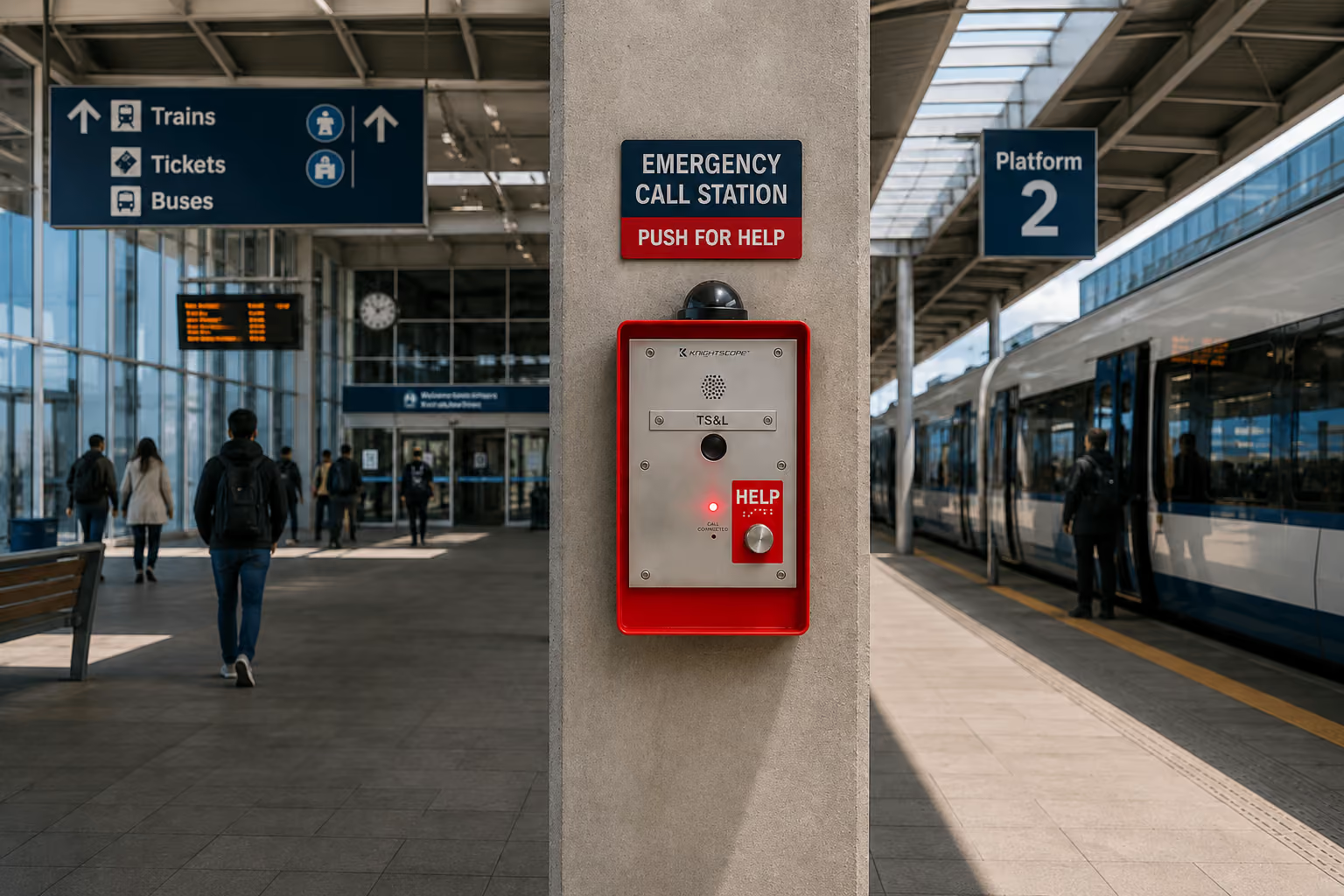
Compact indoor emergency e-phones provide reliable emergency communication where full-size blue light towers are impractical. Designed for stairwells, elevator lobbies, areas of refuge, corridors, and parking structures, these ADA-compliant wall-mounted units offer push-button access to dispatch, hands-free communication, and automatic location identification.
Read More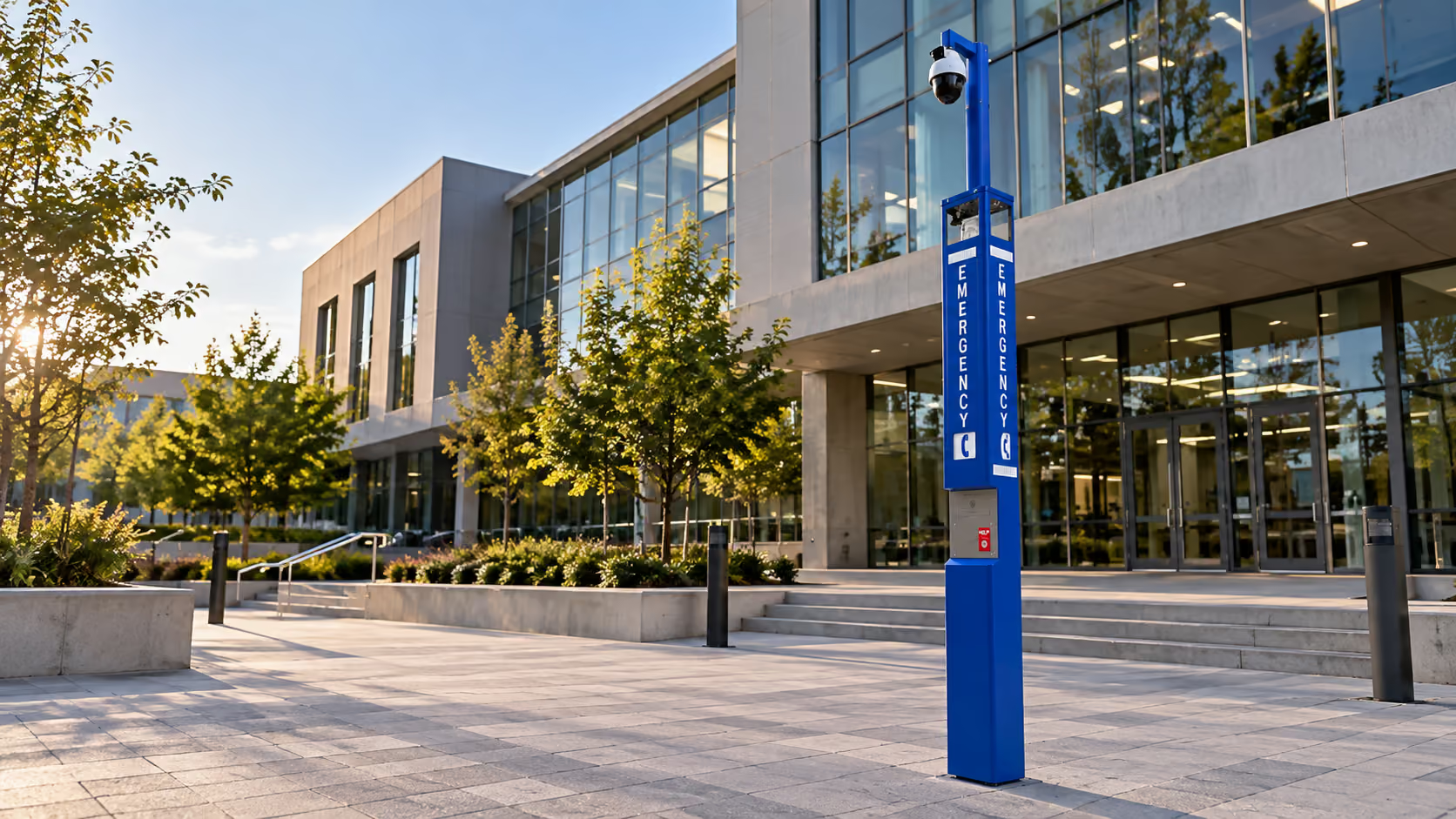
Is Your Campus Emergency Tower ADA Compliant? What Facilities Directors Need to Know
Learn the key ADA requirements for campus emergency towers, including accessible button height, hands-free operation, braille signage, visual indicators, and clear access. Discover when retrofitting an existing tower makes sense versus full replacement.
Read More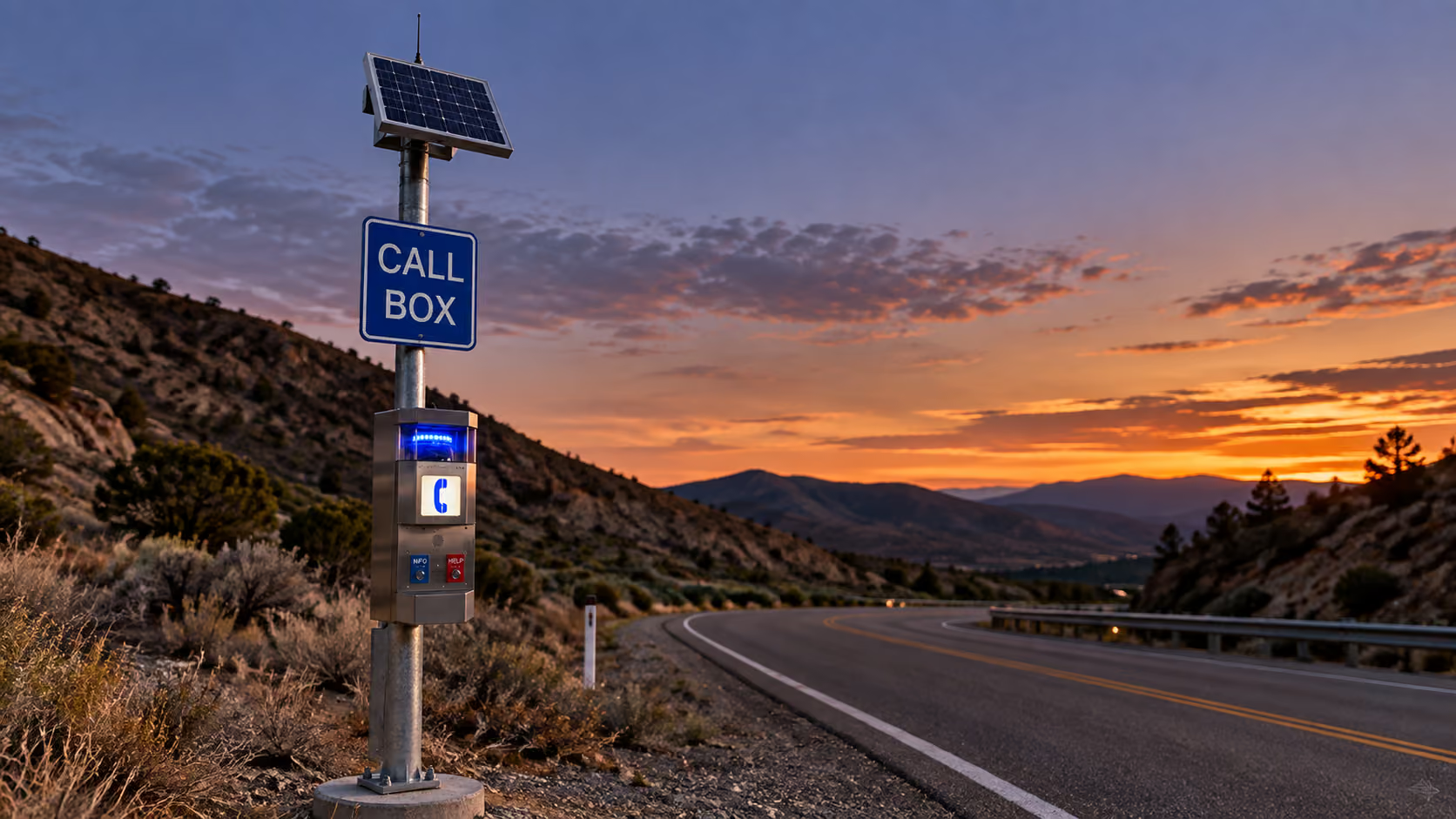
Highway Emergency Call Boxes: How They Still Save Lives in the Cellular Era
Highway emergency call boxes remain an important safety solution in locations where cell phones cannot always be relied on. From remote highways and tunnels to network outages and accessibility needs, modern solar-powered call boxes provide a dedicated, visible way to connect drivers and pedestrians with emergency assistance.
Read More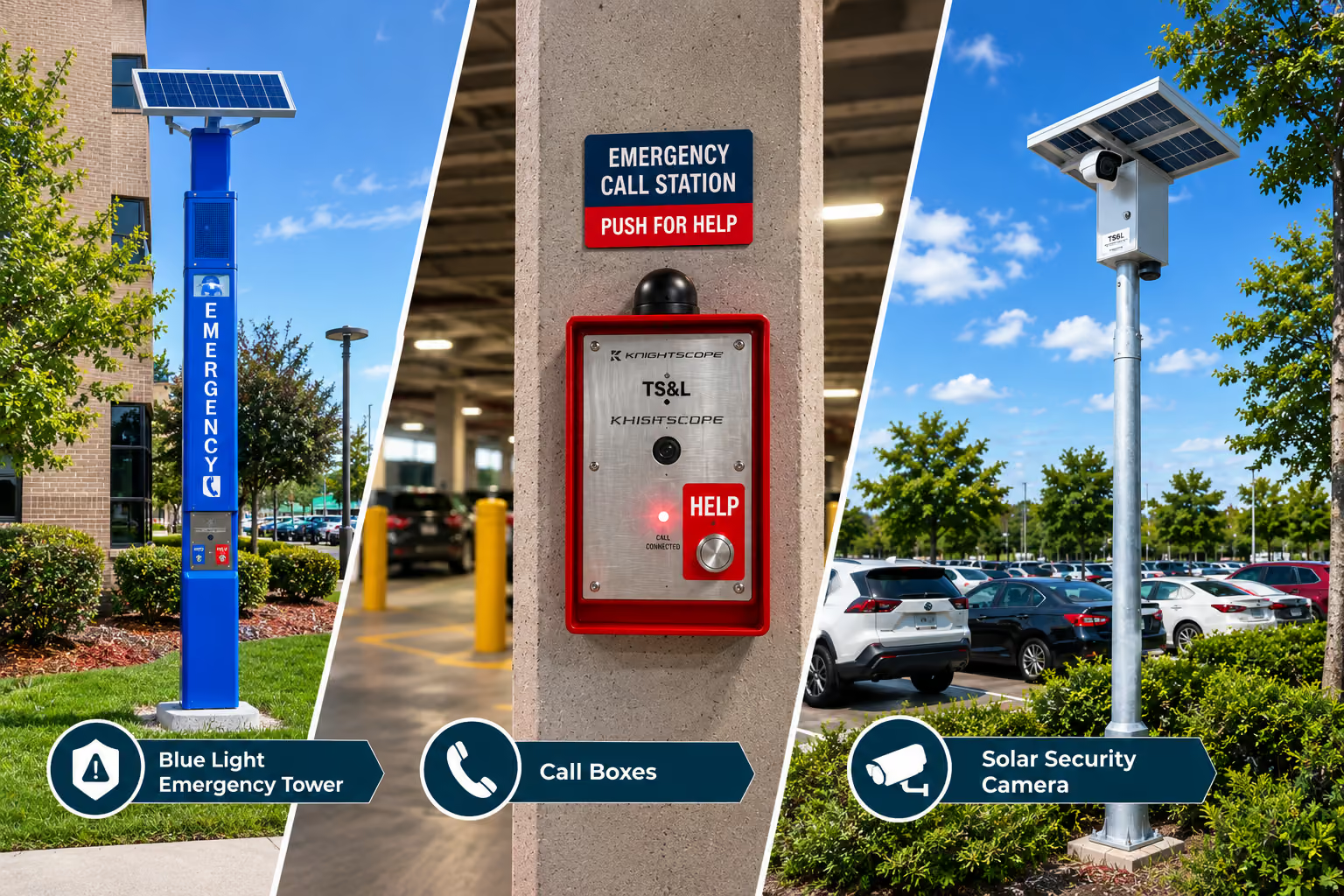
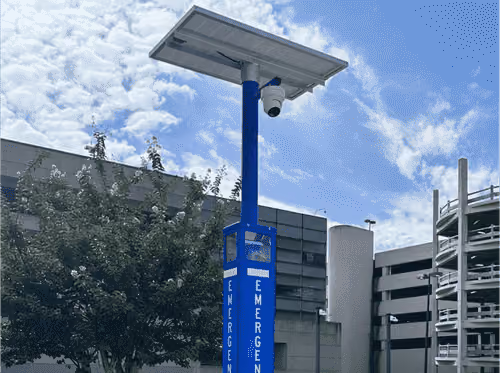
Parking Garage Safety in 2026: How Cameras, Call Boxes, and Emergency Towers Work Together
Parking garage safety requires more than cameras. Cameras, emergency call boxes, and blue light towers work together to monitor activity, provide immediate communication, and create visible security throughout the garage. Pasted markdown
Read More


















%402x%20(5).svg)




.png)

.png)