
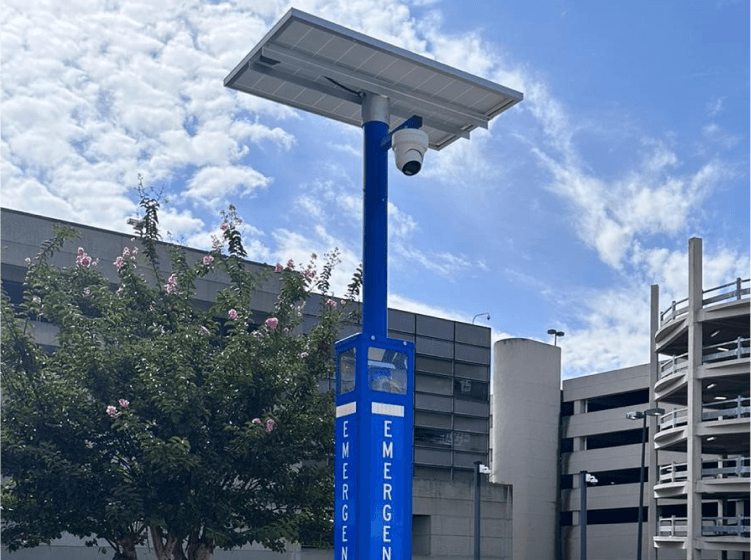
Safety is one of the most important priorities for universities, public spaces, and commercial facilities. Whether it is a college campus, a hospital parking lot, or a city park, people need to feel safe when they move through public areas, especially at night. This is where blue light emergency towers play a critical role.
A blue light tower is more than just a visible beacon in the distance. It represents reassurance, immediate communication, and rapid emergency response. From college campuses to parking lots and public walkways, blue light emergency phones and call boxes help protect communities by providing instant access to help when it matters most.
In this article, we’ll explore how blue light systems, blue light emergency towers, and blue light boxes improve safety and why organizations across the country are installing them as part of their modern security strategy.
What Is a Blue Light Emergency Tower?
A blue light emergency tower is a highly visible safety device equipped with a bright blue light, emergency call button, and communication system. When someone presses the button, the tower connects directly to security personnel or emergency services, allowing immediate assistance.
These systems are designed to work in outdoor environments and often include additional features such as:
- Two-way communication with security teams
- Emergency call buttons
- Integrated cameras for surveillance
- High-visibility LED blue lights
- Strobe lights during emergencies
The blue light on top acts as a visual safety beacon, helping people easily locate the tower even from long distances or in low-light environments.
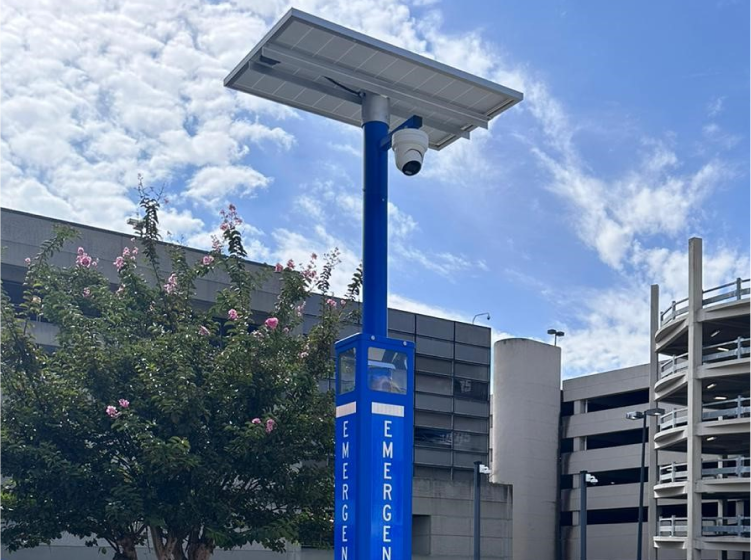
Why Blue Light Systems Are So Important
In large open environments, emergencies can happen quickly and unexpectedly. Mobile phones may not always be accessible, charged, or connected to a reliable signal. That’s why blue light systems provide a dependable alternative.
These towers ensure that anyone in distress can reach security or emergency responders instantly with a single button press. The system automatically identifies the caller’s location, allowing authorities to respond quickly and accurately.
More importantly, the presence of blue light emergency towers creates a sense of security for students, visitors, employees, and residents.
Blue Light System for College Campuses
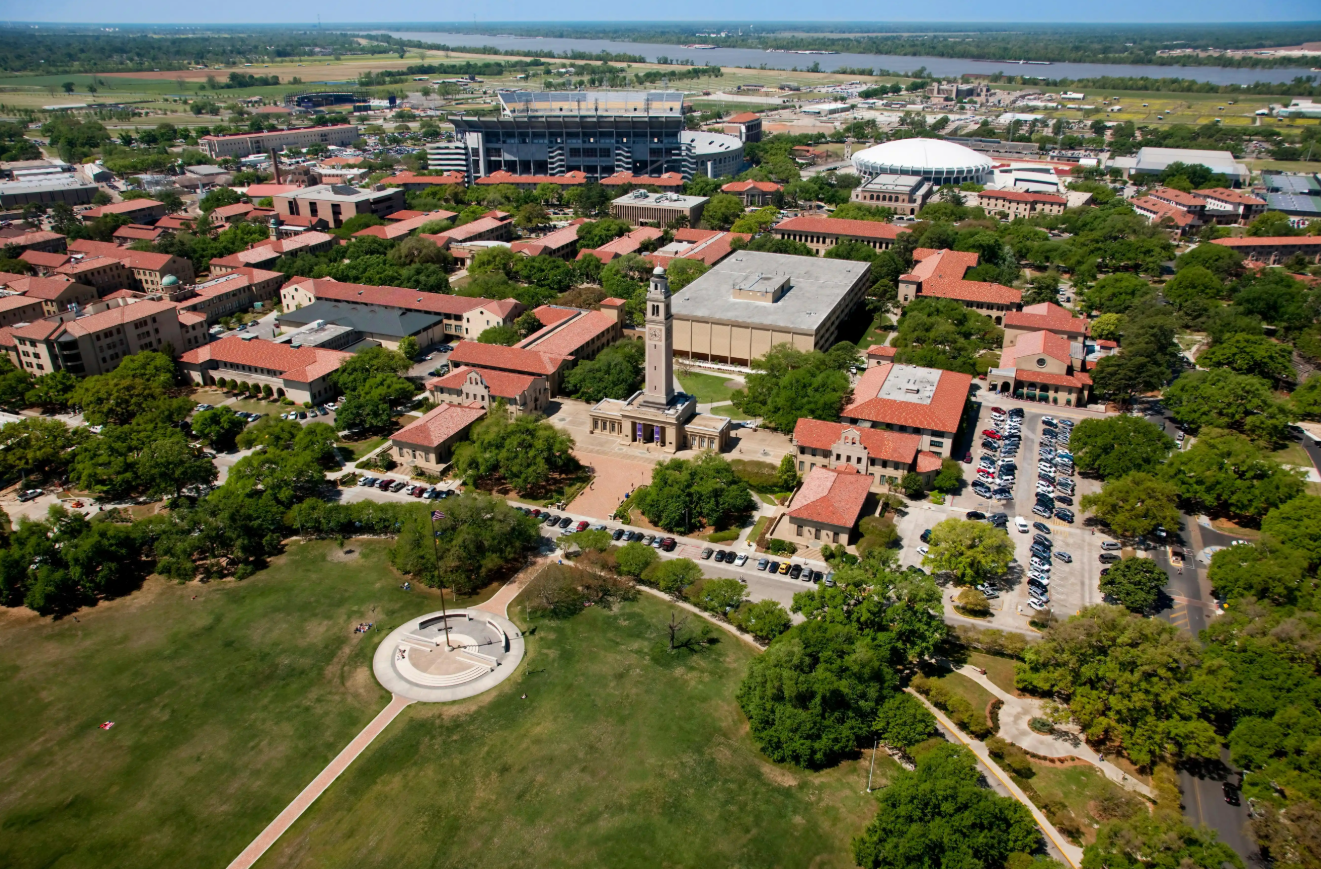
One of the most common places you’ll see blue light systems on college campuses. Universities cover large areas with walkways, dormitories, parking structures, and sports facilities. Ensuring safety across these spaces can be challenging.
That’s why many universities deploy blue light emergency towers and blue light boxes across campus.
Typical campus locations include:
- Student housing areas
- Walkways and pedestrian paths
- Campus parking lots and garages
- Athletic facilities
- Library entrances
- Remote campus zones
These towers provide students and staff with immediate access to campus security, especially during late-night hours when fewer people are around.
The presence of these systems also helps deter criminal activity. When potential offenders see visible emergency infrastructure, they are less likely to target those areas.
Why Blue Lights Are Used in Parking Lots
Parking areas are one of the most vulnerable places in any facility. They are often isolated, poorly lit, and spread over large areas.
Installing blue lights in parking lots dramatically improves safety and accessibility.
Blue light emergency towers in parking facilities help:
- Provide quick emergency communication
- Illuminate dark areas
- Increase visibility for security patrols
- Deter suspicious activity
Many universities and hospitals place multiple blue light boxes in parking structures so people are never far from help.
Knowing there is a blue light tower nearby gives drivers and pedestrians confidence, especially when walking alone at night.
Key Features of Modern Blue Light Emergency Phones
Today’s blue light emergency phones and towers are much more advanced than older systems. Modern towers combine communication technology, surveillance, and smart monitoring features.
Some common features include:
1. One-Button Emergency Calls
Users simply press a button to connect directly with security personnel or emergency responders.
2. Two-Way Communication
Many blue light emergency phones allow real-time communication so security teams can understand the situation immediately.
3. High-Visibility Lighting
The bright blue light ensures the tower can be seen from far distances, making it easy for people to locate during emergencies.
4. Camera Integration
Many towers include surveillance cameras that help security teams monitor activity and provide additional evidence if an incident occurs.
5. Weather-Resistant Construction
Blue light towers are built for outdoor environments and designed to withstand harsh weather conditions and vandalism.
Blue Light Boxes vs Blue Light Towers
Although the terms are often used interchangeably, there are slight differences between blue light boxes and blue light towers.
Blue Light Boxes
These are smaller emergency call stations usually mounted on walls or poles.
Blue Light Towers
These are larger freestanding structures with visible lights and emergency call systems.
Both options provide direct emergency communication, but towers are typically more visible and ideal for large open areas.
The Psychological Impact of Blue Light Safety Systems
One of the most overlooked benefits of blue light emergency towers is the psychological reassurance they provide.
When people see these towers, they know help is always nearby. This sense of security encourages people to move confidently across campuses, parks, and public spaces.
Blue light towers also act as a crime deterrent because their visibility discourages potential offenders from targeting those areas.
In other words, these systems protect communities not only by responding to emergencies but also by preventing them.
Where Blue Light Towers Are Commonly Installed
Organizations across many industries rely on blue light emergency towers and blue light phones to improve safety.
Common locations include:
- Colleges and universities
- Parking garages and parking lots
- Hospitals and healthcare facilities
- City parks and public walkways
- Transportation hubs and bus stations
- Corporate campuses
- Industrial facilities
These locations often have large open spaces where immediate access to emergency services is critical.

How Blue Light Systems Improve Emergency Response
In emergency situations, response time can make all the difference.
When someone activates a blue light tower, the system instantly alerts security personnel and often provides precise location information. This helps responders reach the scene faster and handle the situation more effectively.
In many systems, the tower can also:
- Trigger flashing emergency strobes
- Activate nearby cameras
- Send alerts to security control centers
This integration ensures a faster and more coordinated response.
The Future of Blue Light Emergency Systems
Modern security infrastructure is constantly evolving, and blue light towers are becoming smarter than ever.
New systems may include:
- AI-powered video monitoring
- License plate recognition cameras
- Motion detection alerts
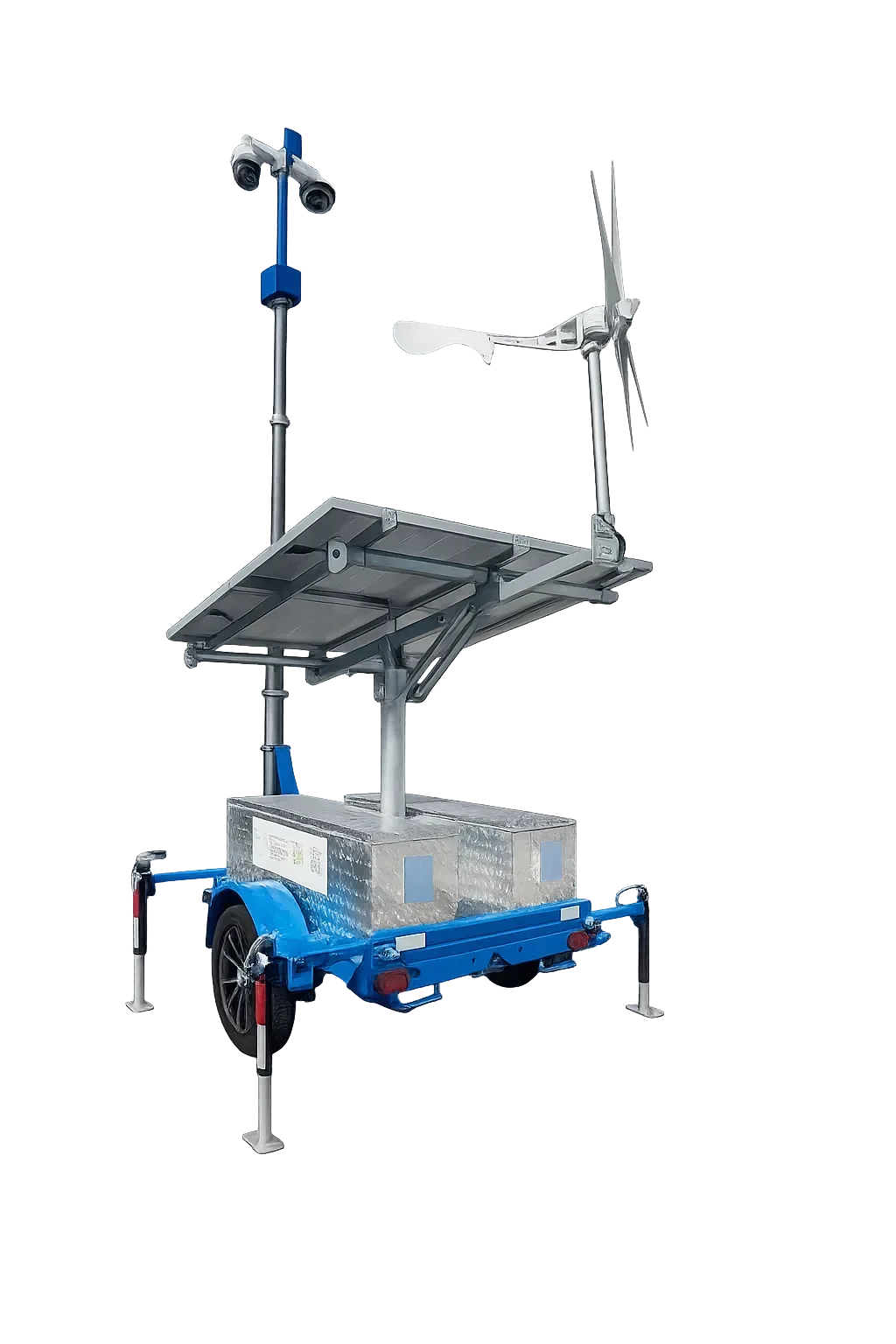
- Solar-powered towers for remote areas
- Integration with campus safety apps
These innovations help organizations build more connected and proactive safety networks.
Final Thoughts:
Safety is not just about responding to emergencies - it’s about creating environments where people feel protected and supported.
Blue light emergency towers, blue light systems, blue light boxes, and emergency phones play a vital role in achieving that goal.
From college campuses and parking lots to hospitals and public parks, these systems provide a visible safety presence and immediate communication during emergencies.
By installing blue light emergency towers, organizations send a clear message: the safety of their community comes first.
And sometimes, a single blue light in the distance can make all the difference.


.jpg)

.png)

.png)