
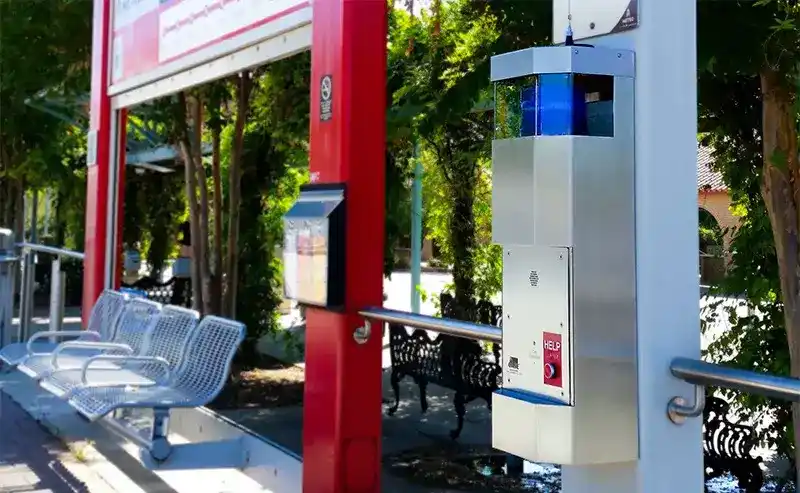
For decades, campuses, hospitals, parks, parking garages, transit areas, and public spaces relied on traditional phone-line call boxes and blue light emergency phones. These systems were simple: press a button, connect to dispatch, and request help.
But the infrastructure behind many of these systems is aging quickly.
Old copper phone lines are becoming more expensive to maintain, harder to service, and less practical for modern safety needs. As a result, many organizations are moving toward cellular emergency phones as a smarter, more reliable, and more flexible solution.
At Transportation Solutions & Lighting, Inc. (TS&L), we work with colleges, universities, municipalities, healthcare facilities, and public agencies to upgrade legacy emergency communication systems into modern, cellular-connected safety networks.
The Problem With Traditional Phone-Line Call Boxes
Many existing emergency call boxes were installed years ago, often using analog phone lines or copper infrastructure. While these systems served their purpose, they now create several challenges.
Phone lines can be expensive to maintain. In some cases, organizations are paying monthly fees for lines that are rarely used, and those costs add up quickly across dozens or hundreds of emergency phones.
They can also be difficult to troubleshoot. When a call box fails, the issue may be with the phone, the wiring, the underground conduit, the utility provider, or the central system. That makes repairs slower and more complicated.
Another problem is visibility. Many older systems do not provide easy daily status reporting. A unit can appear fine from the outside, but the campus or agency may not know there is a problem until someone presses the button during an emergency.
That is the risk modern organizations are trying to avoid.
Why Cellular Emergency Phones Are Becoming the New Standard
Cellular emergency phones eliminate the need for traditional landline infrastructure. Instead of depending on old phone lines, each unit communicates through a cellular network. This creates several major advantages.
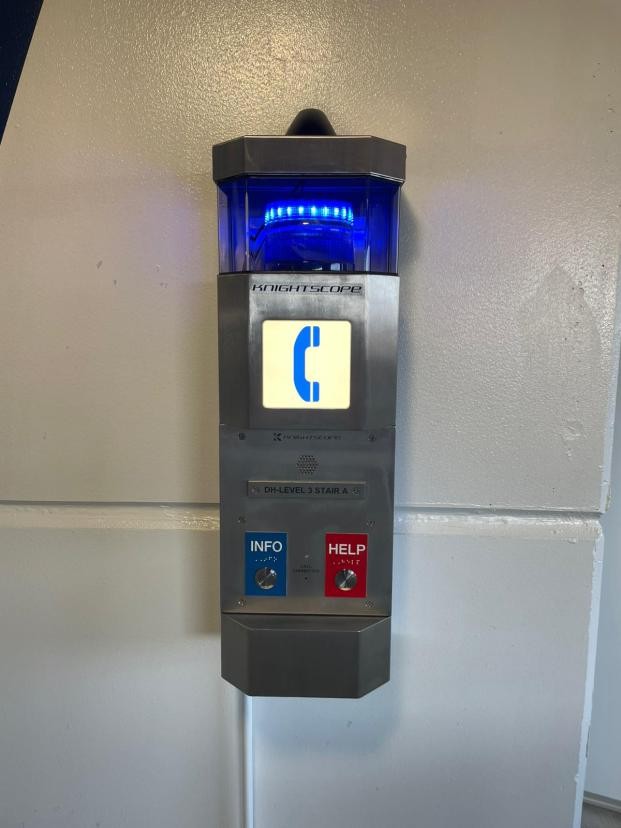
1. No New Trenching or Phone-Line Installation
Installing new phone lines can be expensive, especially across large campuses, parking lots, trails, parks, garages, and remote areas. Cellular emergency phones can often be installed without running new communication cable.
That makes them ideal for:
- College campuses
- Parking lots and garages
- Public parks
- Trails and greenways
- Transit stops
- Municipal facilities
- Healthcare campuses
- Remote buildings
- Construction or temporary safety zones
For many projects, cellular connectivity can significantly reduce installation complexity.
2. Better Flexibility for New Locations
Old phone-line systems are tied to existing infrastructure. If there is no nearby phone line, adding a call box can become expensive or unrealistic.
Cellular systems give safety teams more flexibility. Emergency phones can be placed where they are actually needed, not just where existing utilities happen to be located.
That is especially important when campuses or municipalities are trying to improve safety coverage in areas such as dark parking lots, isolated walkways, athletic fields, trailheads, or remote service areas.
3. Easier Retrofits of Existing Towers and Call Boxes
Many organizations assume they need to replace all of their existing emergency towers. In many cases, they do not.
TS&L can evaluate existing blue light towers and call boxes to determine whether they can be upgraded with modern cellular communication equipment. This can allow a campus or agency to keep the existing structure while improving the internal technology.
A retrofit approach can help extend the life of older equipment while adding modern features such as cellular connectivity, improved monitoring, camera integration, and updated emergency communication hardware.
4. Improved Monitoring and System Visibility
One of the biggest advantages of newer cellular emergency systems is monitoring.
Modern systems can provide better insight into whether each unit is online, communicating, and functioning properly. Instead of waiting for a user to report a problem, administrators can receive alerts or reports when a unit needs attention.
This changes the entire maintenance model.
Older systems are often reactive. Something breaks, someone notices, and then a service call is created.
Modern cellular systems can support a more proactive approach. Safety teams can identify issues sooner, prioritize repairs, and maintain a clearer picture of system health.
For large campuses or agencies managing dozens or hundreds of emergency phones, this visibility is critical.
5. Better Support for Solar-Powered Locations
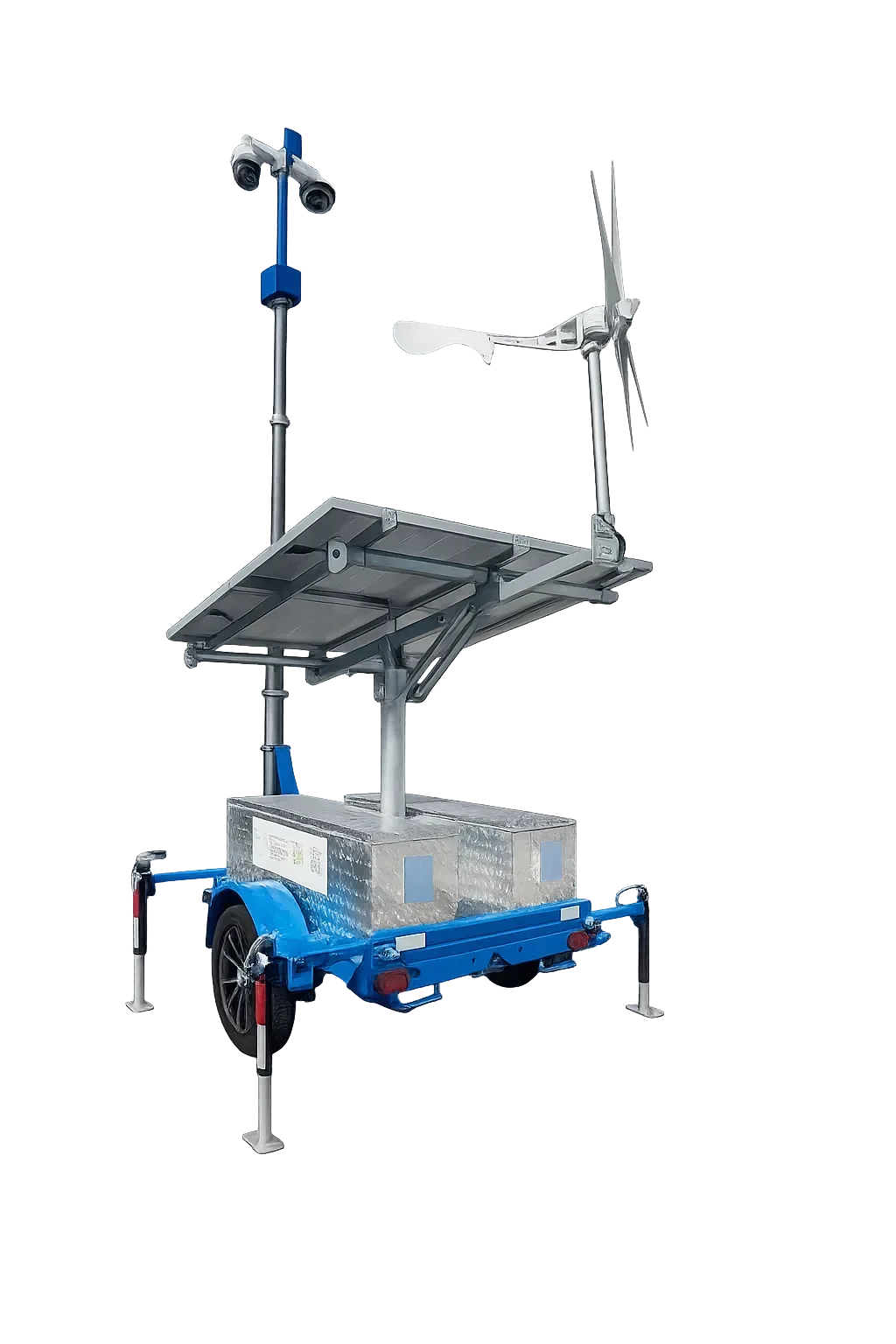
Cellular emergency phones pair well with solar-powered blue light towers and call boxes. Since they do not require a traditional phone line, they can be deployed in areas where trenching power and communications would be costly.
Solar and cellular together make it possible to place emergency communication equipment in areas that may have been difficult to serve in the past.
This is especially useful for:
- Remote parking lots
- Trails
- Parks
- Athletic complexes
- Temporary facilities
- Large open campuses
- Municipal properties
- Areas without nearby utility access
6. Integration With Cameras and Other Safety Technology
Emergency communication is no longer just about placing a phone on a pole.
Today, many organizations want a more complete safety platform. Cellular emergency towers can often be integrated with additional technologies, including:
- Security cameras
- License plate recognition
- Mass notification speakers
- Strobes and sirens
- Remote monitoring
- Solar power
- Video management systems
- Access control or dispatch workflows
This gives public safety teams more information during an incident and helps create a more connected emergency response system.
7. Lower Long-Term Infrastructure Burden
Traditional phone-line systems often depend on aging underground infrastructure, telecom coordination, and recurring line charges. Cellular systems can reduce that burden.
While cellular systems still require service plans and ongoing maintenance, they often simplify the overall infrastructure. For many organizations, this makes budgeting, service, and future expansion easier to manage.
Instead of maintaining old copper lines across a large property, the organization can shift toward a modern wireless communication model with clearer monitoring and support.
When Should You Upgrade?
A campus, hospital, municipality, or agency should consider upgrading to cellular emergency phones if:
- Existing call boxes are connected to old phone lines
- Monthly phone-line costs are increasing
- Units are difficult to troubleshoot
- There is no easy daily monitoring
- New locations are needed where phone lines do not exist
- The organization wants solar-powered options
- Existing blue light towers need to be modernized
- Cameras or mass notification may be added in the future
- Public safety teams want better system visibility
The best first step is a full system assessment. TS&L can help identify which units should be replaced, which can be retrofitted, and which locations may benefit from solar, cellular, camera, or mass notification upgrades.
Cellular Emergency Phones Are the Future of Public Safety Infrastructure
Emergency communication systems need to be reliable, visible, and easy to maintain. As traditional phone-line infrastructure continues to age, cellular emergency phones offer a more flexible and modern path forward.
For many campuses and public agencies, the goal is not just to install more equipment. The goal is to build a safety system that can be monitored, maintained, expanded, and trusted when it matters most.
TS&L helps organizations evaluate, upgrade, install, monitor, and maintain emergency communication systems across campuses, municipalities, hospitals, parks, and public spaces.
Whether you need to retrofit existing call boxes, replace outdated phone-line systems, add solar-powered emergency towers, or build a complete managed safety solution, TS&L can help.
Need Help Upgrading Your Emergency Phones?
Contact Transportation Solutions & Lighting, Inc. to schedule a review of your current blue light towers, call boxes, and emergency phone infrastructure.
Transportation Solutions & Lighting, Inc.
Website: www.tsandl.us
Serving campuses, municipalities, hospitals, and public agencies nationwide.


.jpg)

.png)

.png)